
Stephen Chadenga
GWERU — Senator representing Persons with Disabilities, Annah Shiri, has commended philanthropist Dr Smelly Dube for bringing cancer screening services closer to women with disabilities, saying their health needs are often overlooked.
Shiri was delivering an address following a cancer screening programme organised by Dr Dube for women with disabilities.
She said the initiative was a powerful reminder that women with disabilities matter and deserve equal access to quality healthcare.
“It is a great honour to stand before you following this important programme organised by our compassionate philanthropist, Dr Smelly Dube,” Shiri said.
“Through this initiative, she has demonstrated that philanthropy is not merely about giving material things, but about saving lives, restoring hope and protecting human dignity. Her decision to bring screening closer to women with disabilities sends a powerful message that women with disabilities matter, their health matters, and their lives matter.”
Senator Shiri said women with disabilities continue to face serious barriers in accessing health services, including inaccessible facilities, lack of information in accessible formats, transport and financial challenges, and negative attitudes from some service providers.
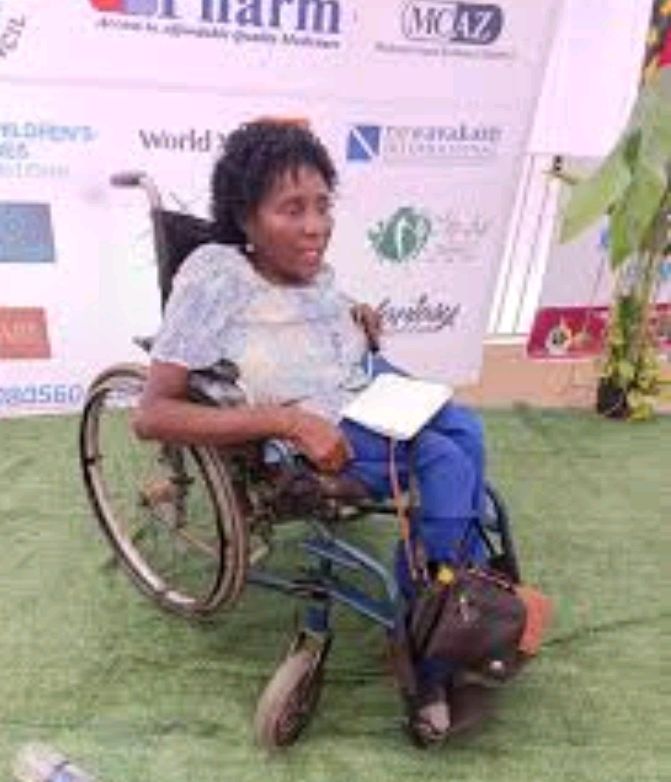
She said a woman in a wheelchair should be able to access an examination bed, a deaf woman should be able to communicate effectively with health workers, and a woman with an intellectual disability should receive information in a clear and respectful manner.
Shiri said inclusive healthcare is not charity but a right.
She urged women with disabilities to take their health seriously, follow professional medical advice on screening intervals, and seek prompt medical attention when they notice unusual changes in their bodies.
“Cancer screening can help identify certain cancers or precancerous changes before serious symptoms develop, but screening is not a guarantee against cancer,” she said. “Let us challenge fear, stigma and misinformation that surround cancer. A diagnosis is not a reason for shame.”
The Senator called on Government, the Ministry of Health and Child Care, health institutions, civil society and the private sector to ensure cancer prevention, screening, diagnosis, treatment and follow-up services are accessible throughout Zimbabwe.
“We need physically accessible health facilities, healthcare workers trained in disability inclusion, affordable services, accessible health information and functional referral systems,” she said.
“We must pay particular attention to women in rural and underserved communities who face longer distances and transport difficulties.”
She said screening programmes must be linked to diagnostic tests, treatment and emotional support to be meaningful.
Shiri extended heartfelt appreciation to Dr Dube, saying her generosity should inspire other individuals and organisations to invest in inclusive healthcare.
“When we invest in the health of women with disabilities, we invest in families, communities and the future of our nation,” she said.