

MARTIN MAWAYA
LOWER GWERU— Phillip Village in Lower Gweru has been declared open-defecation free (ODF) after 47 households met sanitation standards under a community-led programme implemented by Multi-AID Support Organisation (MASO) in partnership with Africa Ahead.
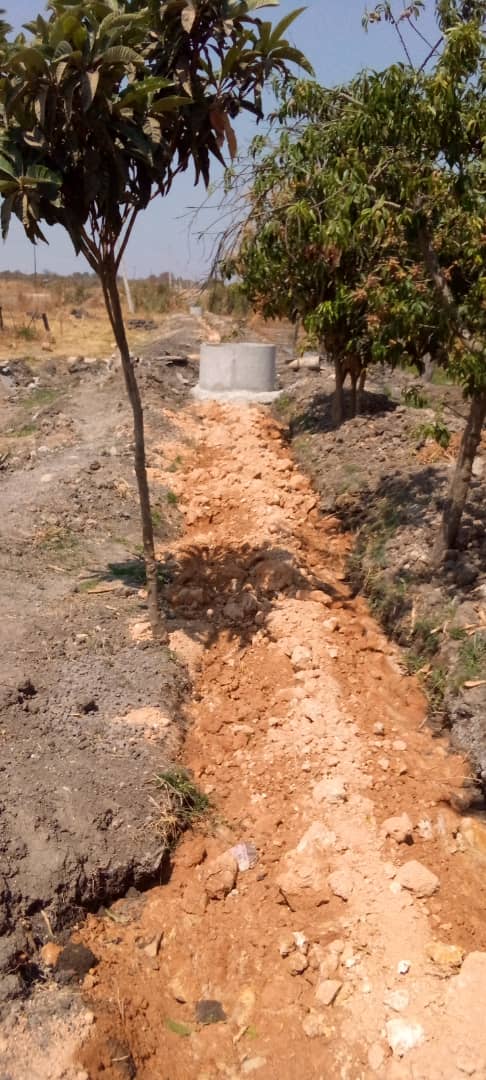
The Ward 2 village recently attained ODF status after households installed functional toilets and hand-washing facilities through the Community Health Club Methodology project.
Implemented in collaboration with the Ministry of Health and Child Care, the project was funded by the OAK Foundation.
The achievement comes as Midlands Province continues to grapple with poor rural sanitation, with 33% of households practizing open defecation in 2025, according to the Zimbabwe Livelihoods Assessment Committee (ZimLAC).
Nationally, the proportion of rural households practizing open defecation declined from 29% in 2020 to 24% last year.
Under the MASO programme, the 47 households formed community health clubs where residents received health and hygiene education and were encouraged to improve sanitation in their homes.
MASO national executive director Tadiwa Kaisa said the programme sought to empower communities to take responsibility for improving sanitation and hygiene.
“The project was a social project where MASO trained communities on health issues. It was the community members who then cascaded the information through the clubs that we established,” Kaisa said.
The approach supports the Government’s target of ending open defecation by 2030 through interventions such as Sanitation Focused Participatory Health and Hygiene Education (SafPHHE), which combines behaviour change with efforts to improve access to household sanitation facilities.
Kaisa said community members also supported seven elderly households that could not afford to construct toilets by helping them source the required materials.
What the ministry had to say:
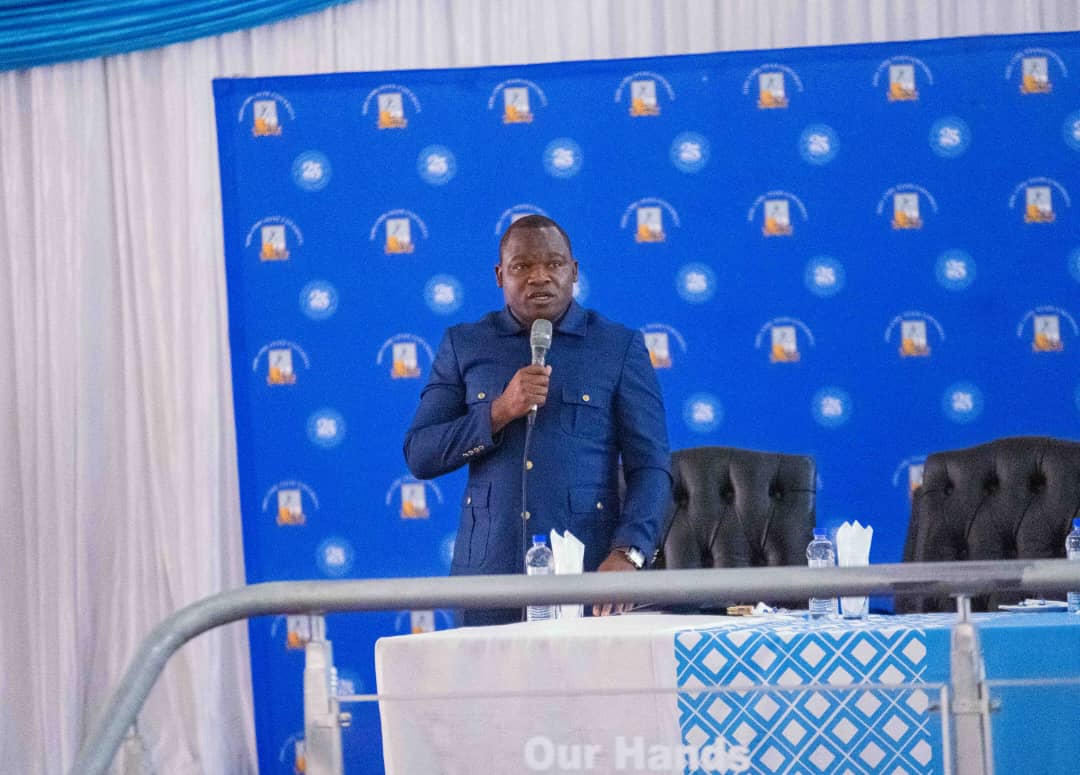
Director of Environmental Health Services in the Ministry of Health and Child Care, Victor Nyamandi, said the achievement demonstrated the importance of community participation in improving sanitation.
He said households, community leaders, village health workers, environmental health technicians, traditional leaders and teachers all had a role to play in sustaining the gains.
“ODF is not the end of our sanitation journey. It is the beginning of a new commitment,” Nyamandi said.

He warned that maintaining the status would be as important as securing the declaration because sanitation structures could collapse during the rainy season or deteriorate through poor maintenance.
Nyamandi urged villagers to keep the structures functional, clean and safe, maintain hand-washing facilities and ensure no household reverted to open defecation.
Village health worker Tendeukai Sibanda said conditions in the community had improved since the intervention began.
“Before the implementation of the project, the area was filthy because people were practizing open defecation and using the bush to relieve themselves. This contributed to diarrhoeal diseases in the community,” Sibanda said.

She said health education provided through the community clubs had helped residents understand the need to change their behaviour.
“Knowledge is power. When you empower the community with information, people begin to understand why they need to change their behaviour and improve their sanitation practices,” she said.
MASO plans to extend the project to other villages in Ward 2, with two already close to achieving ODF status.
One village requires four additional toilets, while the other needs six.
The organisation is targeting 14 community health clubs for ODF status by the end of the year.

















































1 comment on “MASO empowers Lower Gweru community in fight to end open defecation”