
Martin Mawaya
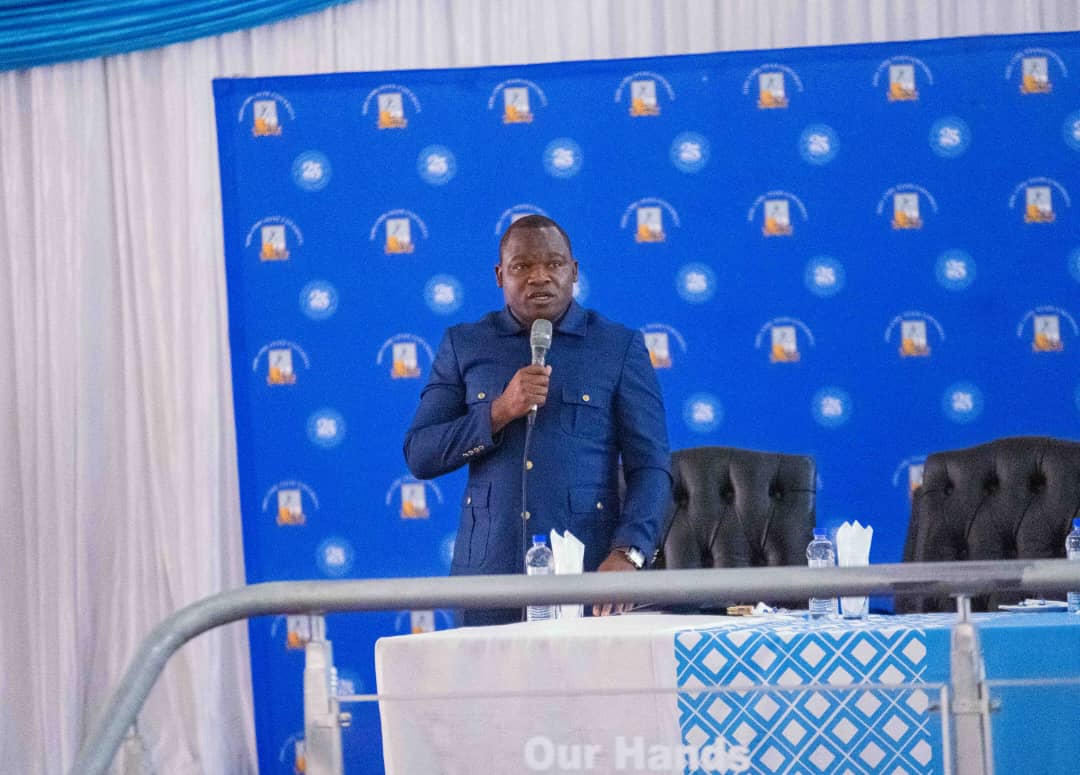
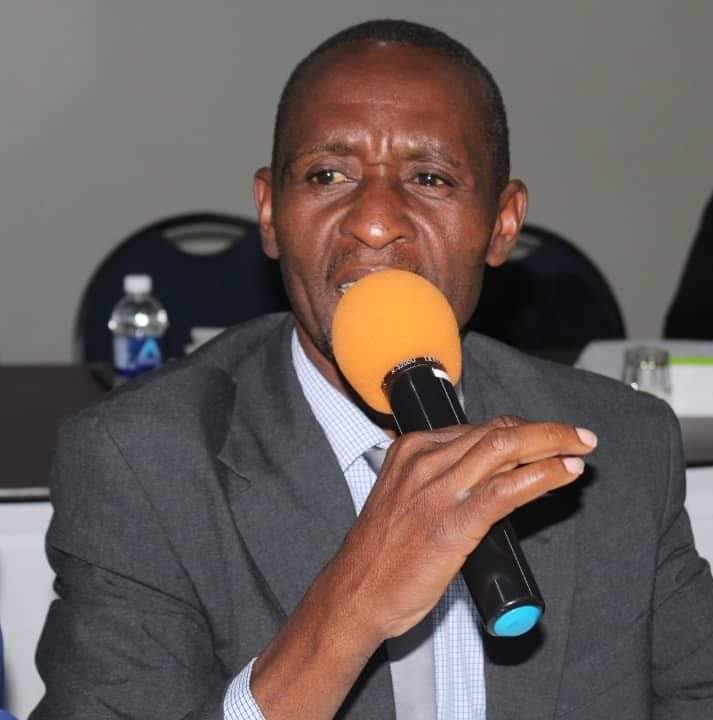
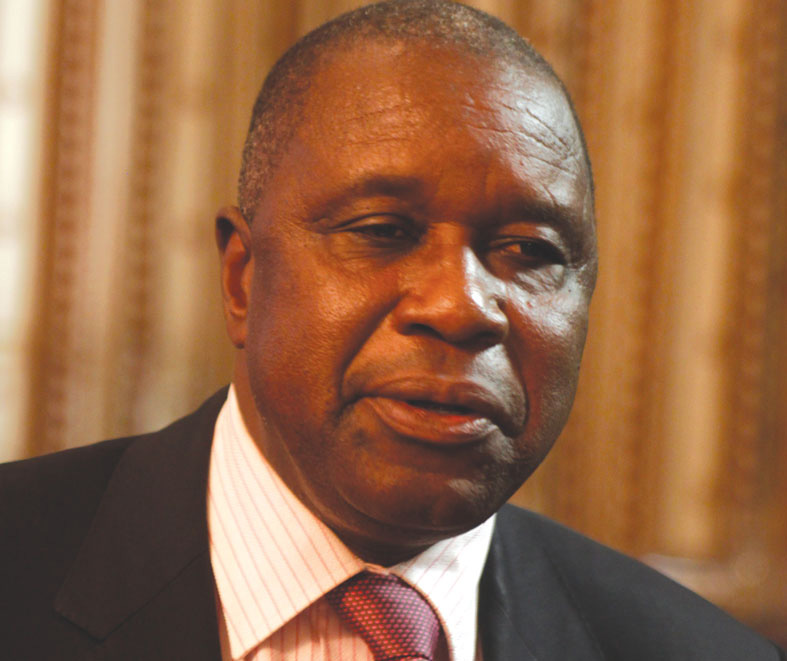
Mkoba South legislator, John Kuka has urged government and the Zimbabwe Electricity Transmission and Distribution Company (ZETDC) to consider charging local authorities non-commercial electricity tariffs.
Kuka argues that councils are struggling to stay afloat financially despite providing essential public services.
Raising the matter in Parliament,he said local authorities were non-profit making institutions burdened by rising operational costs and weakening revenue inflows, making it difficult for them to meet escalating electricity bills.
“Local authorities are providing essential services such as water pumping, sewer management and street lighting, yet they are operating under severe financial constraints,” he said.
“Councils are not profit-making entities and there is need for government and ZETDC to consider a special tariff arrangement that allows them to continue delivering critical services without crippling their operations.”
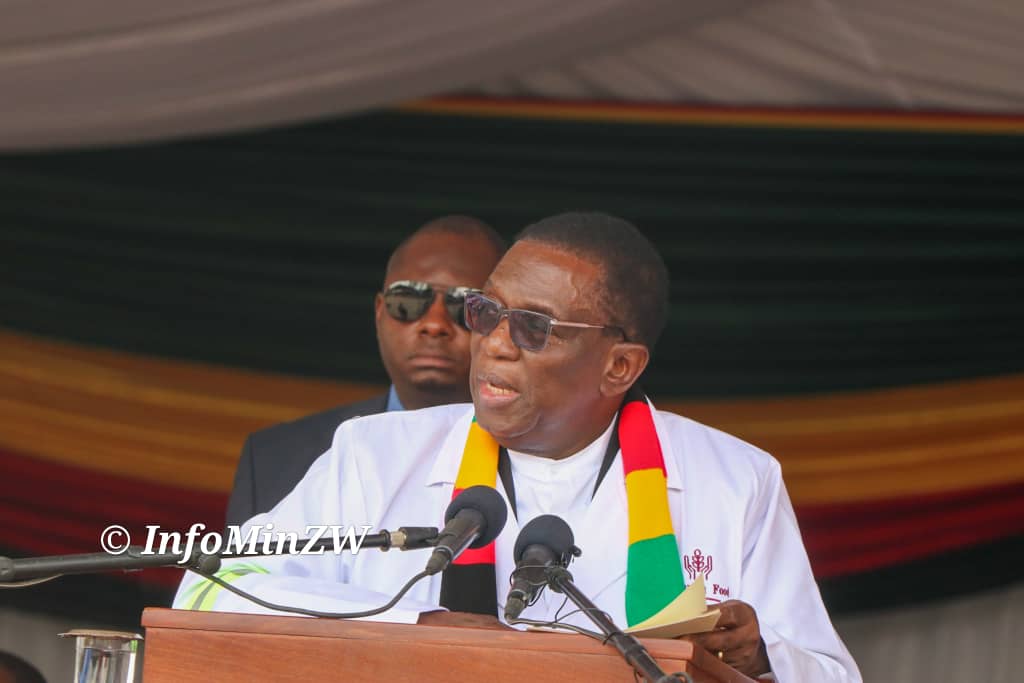
Responding in the National Assembly, Deputy Minister of Energy and Power Development Yeukai Simbanegavi said while councils faced liquidity challenges due to low revenue collection, the power utility could not afford to subsidise electricity supplies.
He said ZETDC had only recently moved to cost-reflective tariffs after operating for more than a decade under a pricing model that failed to cover production costs.
“Currently, ZETDC does not have the financial capacity to charge local authorities tariffs that are below cost-reflective levels, as there is need to cover the full cost of supplying energy,” Simbanegavi said.
The deputy minister warned that subsidising local authorities would threaten national energy security and worsen the utility’s financial position at a time councils already owed millions of United States dollars in unpaid electricity bills.
According to Simbanegavi, compelling ZETDC to supply electricity below production costs without Treasury support would weaken the utility’s operations and risk a return to widespread load shedding.
He also blamed some councils for excessive energy losses linked to ageing infrastructure and water leakages, saying more than half of treated water in some municipalities was being lost before reaching consumers.
Instead of introducing subsidies, government is encouraging councils to adopt energy saving measures and participate in utility backed programmes such as advanced net-metering and solar projects for water pumping stations.
Simbanegavi said councils could qualify for tariff incentives of up to 12% under proposed solar-powered pumping station arrangements discussed during the recent Urban Councils Association of Zimbabwe meeting in Kadoma.
He added that ZETDC was offering energy efficiency audits and demand side management programmes that could help councils cut electricity consumption by up to 40%.
Councils have been pushing government to allow them to charge ZETDC wayleave levies, arguing that the electricity infrastructure occupies vast tracts of land that could generate revenue for local authorities.